"Four countries in fifteen days over Christmas and New Year. Each one completely different in altitude, culture, food, and temperature. The thread connecting all of them: the feeling that you arrived just before everyone else did."
This trip was the Christmas-New Year loop through the northern half of South America and Central America — starting and ending in Panama, with Colombia (Bogotá, Guatapé, Medellín) and Ecuador (Quito, Cotopaxi) in between, and a 2-day detour to the San Blas Islands that turned into the surprise highlight of the whole journey. Budget: ~$3,000 CAD all-in including flights.
🇵🇦Panama City· Transit hub · Dec 23–24 + Jan 4–6
Panama City bookends this trip — entry and exit, with the San Blas adventure in between. As a city it's a fascinating contradiction: gleaming financial skyscrapers visible from the crumbling Spanish colonial streets of Casco Viejo, one of the most charming historic districts in Central America.
The Panama Canal is worth the visit — the Miraflores Locks observation deck lets you watch container ships squeeze through a 100-year-old engineering miracle that still operates daily. The Biomuseo (Frank Gehry building) tells the story of how the isthmus changed the entire planet's ecology when it emerged from the sea 3 million years ago. Both are worth a half day each.
Panama City quick notes
- Casco Viejo: Free to walk. The contrast of colonial architecture and visible poverty is jarring — the gentrification is fast and complicated. Worth a full morning.
- Panama Canal (Miraflores): ~$20 USD entry. Watch ships transit the lock. The engineering and the scale are genuinely impressive. Go in the morning for ship traffic.
- Isla Toboga day trip: ~$20-24 USD ferry return. Beach island 45 min from the city. Good day escape if you have extra time.
- Soberanía National Park: Rainforest 30 min from the city, significant wildlife including sloths and hundreds of bird species. Free entry.
- Currency: Panama uses USD. No exchange needed from Canada.
- Safety: Casco Viejo is safe and touristic. Other central areas require more awareness at night. Uber is safe and cheap.
🇨🇴Bogotá· Dec 24–26 · 2 nights
Bogotá sits at 2,600 metres — which means you arrive breathless in both senses. The city is enormous, grey, and frequently misunderstood. Give it 48 hours and it begins to reveal itself: an extraordinary museum culture (the Gold Museum alone is worth a day), a street food scene that rewards wandering, and the Monserrate cable car rising above the city to a sanctuary with views over the entire sprawling capital.
The neighbourhood of La Candelaria is the historic core — colonial streets, street murals, and the concentration of museums that make Bogotá one of the most culturally rich cities in South America. La Macarena and the restaurant strips there are where the city's food evolution is most visible.
Bogotá quick notes
- Monserrate funicular: ~$12 USD return. Views over the entire city from 3,152m. Go in clear weather (mornings best). Free on Sundays.
- Museo del Oro (Gold Museum): ~$4 USD. One of the great museum collections in the world — pre-Columbian gold work at a scale that's genuinely staggering. Don't miss the rotating darkroom at the end.
- Altitude adjustment: 2,600m means your first day will involve headaches if you push hard. Drink water, move slowly, skip alcohol on day 1.
- Ajiaco: The definitive Bogotá dish — potato and chicken soup, unique to this altitude and climate. Order it everywhere.
- Changua: Milk and egg breakfast soup that sounds wrong and tastes right. The local breakfast of Bogotá.
- Transport: TransMilenio bus system covers the city. Uber is available and cheap. Walking La Candelaria is easy.
🇨🇴Guatapé· Dec 26–28 · 2 nights
Guatapé is 2 hours east of Medellín and one of the most visually striking towns in Colombia — brightly painted buildings called zócalos covering every wall with folk art murals, and the entire town wrapped around the shores of a man-made reservoir that flooded a valley in the 1970s and is now one of the most beautiful lakes in South America.
The crown jewel is La Piedra del Peñol — a 200-metre granite monolith that rises from the surrounding landscape with no explanation whatsoever. 740 stairs cut into a crack in the rock, $7 USD entry, and one of the great panoramic views on the continent at the top. The reservoir stretching to every horizon, dotted with islands that were once hilltops before the water came.
The scooter to San Rafael and the La Cascuela waterfall is the activity that most visitors skip and regret missing — rent a scooter in town (~$15 CAD/half day) and take the back roads east. The landscape is Colombian countryside at its most beautiful.
Guatapé quick notes
- La Piedra del Peñol: ~$7 USD entry. 740 stairs in a crack in the rock. Allow 30-45 min to climb. The view is worth every stair.
- Scooter rental: ~$15 CAD / half day. Take the road to San Rafael. The La Cascuela waterfall is 30 min from town. You will not regret this.
- Bus from Medellín: ~$4 USD, 2 hours from Terminal del Norte. Buses run hourly. No need to book ahead.
- Zócalos: The painted building facades are protected by law — the town takes extraordinary pride in them. Walk the streets slowly.
- Boat tour of the reservoir: ~$15-20 USD for a 2-hour tour. The flooded church tower visible just below the surface is haunting and beautiful.
- Christmas timing: Guatapé at Christmas is festive and local. The town lights up and the atmosphere is warm without being overwhelmingly touristy.
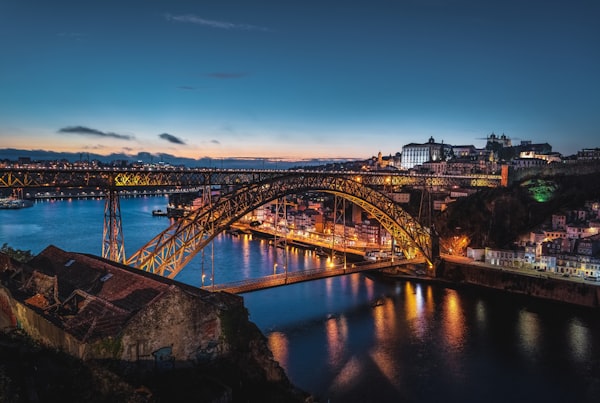
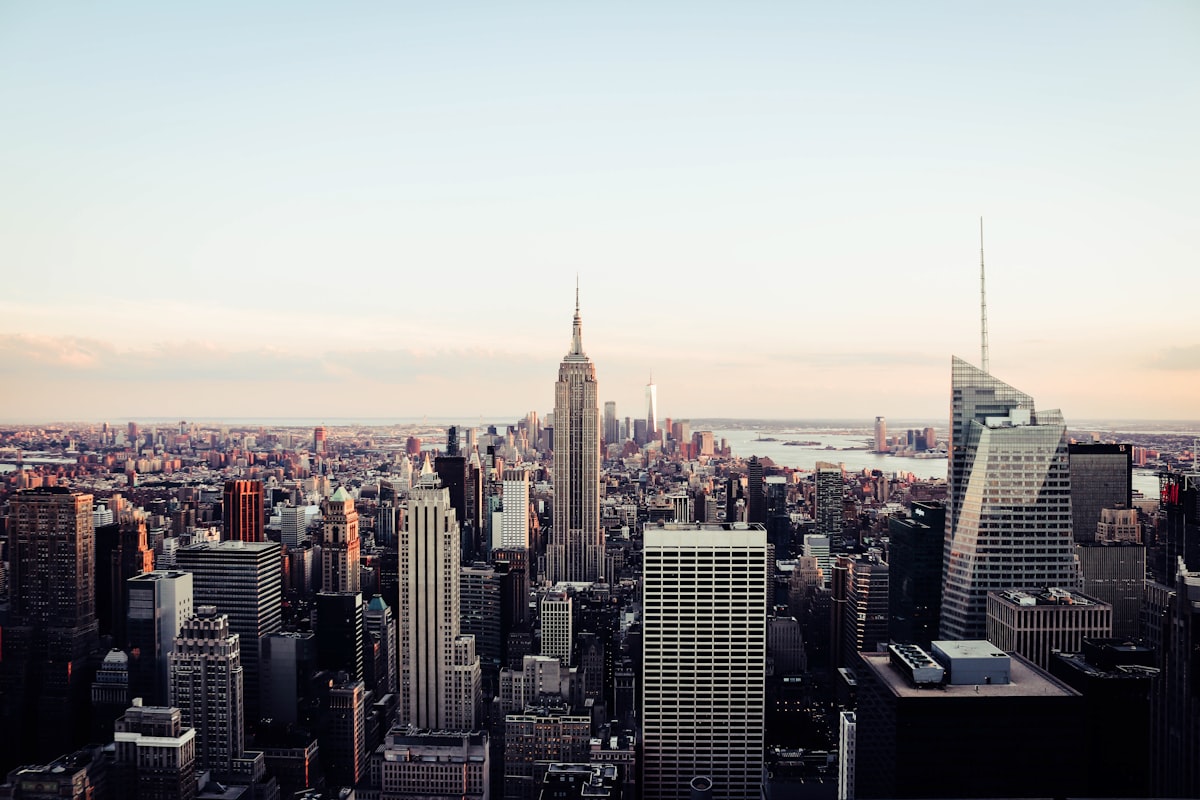
Guatapé reservoir · Medellín skyline · Ecuador Andes
🇨🇴Medellín· Dec 28–30 · 2 nights · Los Patios Hostel
Medellín's transformation from the world's most dangerous city to one of South America's most dynamic is the great urban story of the past 30 years. The cable cars that connected the hillside comunas to the city centre weren't just infrastructure — they were social equity made physical. Comuna 13 is the most visible symbol of this: a former warzone now covered in extraordinary street murals, accessible by outdoor escalators, and filled with local guides who will explain what happened there with remarkable candour.
Medellín is where you eat the bandeja paisa — the definitive Colombian plate: rice, red beans, ground meat, chicharrón, egg, arepa, avocado and plantain, served on a platter the size of a small country. It is not subtle. It is the right meal to eat in Colombia. The Poblado neighbourhood is the tourist centre — good for infrastructure, slightly sanitised. Laureles is where actual Medellín life happens.
Medellín quick notes
- Comuna 13 tour: Free to explore alone, or ~$15-20 USD for a guided tour with a local. The guided version adds enormous context. Non-negotiable stop.
- Metro cable car: ~$1 USD. Ride from the city centre up into the hillside comunas. The view of the city from the cable car is one of the best in South America.
- Bandeja paisa: ~$8-12 USD at any local restaurant. Order it. You won't finish it. Order it anyway.
- Pueblito Paisa: Replica of a traditional Antioquian village on a hilltop above the city. Good views, slightly kitsch, worth 30 minutes.
- Los Patios Hostel: Good base in Poblado. Social atmosphere, well-located, ~$15-20 USD/night.
- New Year timing: Medellín at New Year is excellent — fireworks, street parties, locals are welcoming to visitors who engage with the celebration rather than just observing it.
🇪🇨Quito & Cotopaxi· Dec 31 – Jan 2 · 3 nights · The Secret Garden
Quito is the highest capital city in the world at 2,850 metres — 250 metres higher than Bogotá, which means the altitude adjustment from Medellín is significant. The colonial historic centre (a UNESCO World Heritage Site) is the most intact in the Americas: the Basílica del Voto Nacional alone is one of the great Gothic buildings in the Western Hemisphere, and it's largely unknown outside Ecuador.
New Year's Eve in Quito involves effigies — enormous paper figures representing politicians, celebrities, and social commentary — burned at midnight in every neighbourhood. The smoke, the crowds, the noise, and the symbolism (burning the old year) create an atmosphere completely unlike any other New Year celebration. The rooftop party at The Secret Garden hostel overlooking the city was the base for this — one of the best-positioned hostels in South America.
Mitad del Mundo — the monument marking the equator — is 30 minutes from the city and well worth a half day. The actual GPS equator (which the original monument missed by 240 metres) is at the small Museo Inti Ñan nearby. Stand with one foot in each hemisphere. It costs $7 USD. No further justification needed.
Quito quick notes
- The Secret Garden Hostel: Rooftop terrace with views over the colonial city. ~$15-20 USD/night. The best breakfast in Quito is served here. Book ahead — it fills fast.
- Basílica del Voto Nacional: Free to enter the nave. ~$5 USD to climb the towers for rooftop views over the colonial city. Do it.
- TelefériQo cable car: ~$14 USD. Takes you from 2,850m to 3,945m in 10 minutes. Hike from the top to Rucu Pichincha volcano ridge — extraordinary views on clear days. Go early morning before cloud cover.
- Mitad del Mundo: ~$5 USD complex entry. GPS equator at Museo Inti Ñan (~$7 USD extra). The balancing egg on a nail trick at the equator is genuinely real and worth attempting.
- Cotopaxi National Park: Day trip ~$50 USD including transport. The volcano is the most perfectly conical on earth. At 5,897m it's visible from Quito on clear days. The park refugio at 4,800m is accessible without technical gear.
- New Year's Eve: The burning effigies tradition is extraordinary and hyperlocal. Stay in the historic centre and watch the neighbourhood burn their year in the street.
- Food: Try encebollado (tuna and onion soup), bolón de verde (fried plantain ball), and seco de pollo everywhere.
🇵🇦San Blas Islands· Jan 3–4 · 2 days · SeaSanBlas
The San Blas Islands are an autonomous indigenous territory of the Guna Yala people — 365 islands (one for each day of the year, as the saying goes), ruled not by Panama but by the Guna congress, with all tourism controlled by the community. No multinational resorts. No corporate hotel chains. The Guna decide who comes, how many, and under what terms.
The result is one of the most pristine archipelagos in the Western Hemisphere. The water is the impossible turquoise of a screensaver. The islands are low and flat, ringed by white sand, with palm trees leaning at angles that look staged. The snorkelling on the coral reefs is world-class. And the accommodation is genuinely basic — wooden structures, hammocks, fresh fish caught that morning — in a way that feels earned rather than performed.
San Blas itinerary — 2 days with SeaSanBlas
- Day 1 · 5:00amPickup from Panama City — 4x4 SUV from your hotel. The road into the mountains and down to the coast is part of the experience.
- 7:15amGuna Yala border control — passport check and $22 USD foreigner entry fee (not included in tour price).
- 9:30amYanis Island (Yansailadub) — arrive at the first island. Snorkelling, kayaking, paddle board. 2 hours free time.
- 12:00pmLunch — fresh catch of the day, rice, plantain. Cooked on the island. All included.
- 1:00pmSandbank — a single sand strip in the middle of the Caribbean. Nothing on it but sand and water. This is the photo you came for.
- 2:00pmPelicano/Perro Grande Island — larger island with local Guna community. Walk the village. Buy handmade molas (textile art) directly from the makers.
- 6:00pmDinner + bonfire — back at Yanis Island for the overnight stay in basic wooden cabin. The stars over San Blas have no light pollution competition for 200 kilometres in every direction.
- Day 2 · 10:30amPerro Chico (Dog Island) — small island with excellent snorkelling. The coral reef is extraordinary.
- 1:30pmNatural Pool — shallow reef pool with incredible visibility. Rays and fish in every direction.
- 2:00pmDiablo Island (Isla Niadup) — final island before return. Traditional Guna village.
- 7:00pmReturn to Panama City — 4x4 back over the mountains.
San Blas quick notes
- Tour price (SeaSanBlas): ~$255-285 USD per person for the 2-day overnight. Includes transport, all meals, accommodation, and most activities.
- Guna border fee: $22 USD for foreigners, paid at the checkpoint. Bring cash — no card readers.
- What's included: 4x4 transport, snorkel gear, kayak, paddle board, life jacket, 4 meals, overnight stay, island visits.
- What to bring: Cash only (no ATMs), reef-safe sunscreen (required — the coral reefs are protected), waterproof bag, extra batteries, quick-dry clothes.
- Book in advance: High season (Dec-Apr) sells out fast. SeaSanBlas books weeks ahead. Don't assume you can book on arrival.
- Mola textiles: Buy directly from the Guna women making them on the islands. The money goes directly to the community. A genuine and beautiful souvenir.
- Accommodation: Basic wooden cabins on the island. No AC, basic plumbing. The trade is sleeping 10 metres from the Caribbean. Worth it entirely.