"A winter route built on contrast. Atlantic cities and imperial medinas in Morocco. Then a plane east to a volcanic plateau in central Turkey — snowstorms, fairy chimneys and a testi kebab that will haunt you forever."
This trip had two distinct identities stitched together by a single stopover in Istanbul. The first half was Morocco in deep winter — familiar territory treated with new depth. The north-south route covered Atlantic coastal cities, a UNESCO medina, Roman ruins, the Sahara edge at Merzouga, and the wild Atlantic peninsula of Dakhla. Plus six AFCON 2025 football matches that turned the whole country into one enormous stadium.
The second half was Cappadocia in January — which means ski slopes under snowstorm, underground cities carved 85 metres into the earth, stone houses overlooking hot air balloons at breakfast, and the best meal of the entire trip at a cave restaurant in Uçhisar. ~$6,000 CAD total across 36 days in both countries.
AFCON 2025 — Morocco as one enormous stadium
The Africa Cup of Nations 2025 was hosted in Morocco from December 21, 2025 — and the timing of this trip put Skylar right in the middle of it. Six matches across the tournament, approximately 700 euros total for tickets across all six games.
What it does to Morocco is impossible to describe without being there. Every city becomes a shared living room. Strangers share food outside stadiums. The medinas buzz differently. The country wears its pride in a way that has nothing to do with being a tourist. If the timing ever aligns again: go. Don't hesitate. The football is secondary to what being in the host country does to the atmosphere.
🇲🇦Casablanca & Rabat· The backbone cities
Casablanca was the entry point, the transit hub, and the reset city — returned to four separate times across this trip. It functions less as a destination and more as a rhythm. The city is practical, coastal, genuinely urban, and a world apart from the Morocco that gets photographed for travel magazines.
Rabat, 90 minutes north by Al Boraq high-speed train (~75 MAD / ~10 CAD), is Morocco's actual capital and operates at a completely different frequency than Casablanca. Cleaner, calmer, more structured. The Hassan Tower, the Kasbah of the Udayas, and the medina are all walkable from each other in an afternoon. Rabat rewards a slower visit than it usually gets.
Casablanca & Rabat quick notes
- Al Boraq train Casablanca → Rabat: ~75 MAD (~10 CAD), 45 min. Morocco's high-speed rail is excellent — use it.
- Hassan II Mosque, Casablanca: One of the largest mosques in the world, built on the Atlantic Ocean. ~120 MAD (~16 CAD) entry for non-Muslims. The architecture is extraordinary.
- Kasbah of the Udayas, Rabat: Free to enter. Blue-and-white fortified neighbourhood above the river. Best late afternoon light.
- Corniche, Casablanca: Free walk. The contrast of ocean, modern architecture, and city life is the real Casablanca.
- Al Boraq tip: Book online 24hrs ahead. Seats sell fast, especially around AFCON matchdays.
🇲🇦Fez & the Imperial Triangle· Dec 22–25 · 3 nights
Fez is the emotional core of this Morocco chapter. Three nights based here, with the surrounding region used for a full day of layered history that most visitors miss completely.
The Fez medina — Fès el-Bali — is the largest car-free urban area in the world and genuinely one of the most disorienting places on earth. 9,000 streets with no discernible logic, tanneries that haven't changed in 900 years, and the constant feeling that you've arrived somewhere time hasn't quite touched yet. Give it at least two full days. One for getting lost. One for getting intentionally lost.
Moulay Yacoub, 20 minutes from Fez, is a thermal spa town built around natural sulfurous hot springs. After days of medina walking, it's the perfect reset — local, quiet, and almost entirely off the tourist circuit. The sulfur smell is extreme. The relaxation is worth it.
- Moulay Idriss Zerhoun — holy hilltop town, white-and-green, sacred to Moroccan Islam. Wander the alleys. Quiet and deeply atmospheric. (free)
- Volubilis Roman ruins — the best-preserved Roman ruins in North Africa. A full city with mosaics still on the ground, triumphal arch, capitol. Truly extraordinary context for Morocco. (~70 MAD / ~10 CAD)
- Meknes — the imperial city that gets overshadowed by Marrakech and Fez. The Bab Mansour gate is one of the great pieces of architecture in Morocco. The medina is walkable and far less hectic than Fez. (free to wander)
- Hire a private driver from Fez for the day (~300-400 MAD / ~40-55 CAD for all three stops) — public transit between them is slow and infrequent.
Fez quick notes
- Tanneries: Best viewed from rooftop leather shops (they'll let you up free, you're expected to browse). Go in the morning — the light is better and the smell is more manageable.
- Bou Inania Madrasa: ~20 MAD entry. Stunning 14th-century Islamic architecture. One of the most beautiful interior courtyards in the world.
- Getting around the medina: You will get lost. This is correct behaviour. Keep your phone charged for maps. Give yourself an extra hour for everything.
- Moulay Yacoub thermal spa: ~80-150 MAD for day access. 20 min taxi from Fez. Ask your riad to arrange the driver.
- Stay in the medina: The riad experience from inside the walls is categorically different from a hotel in the new city. Budget ~300-600 MAD/night for a good riad.
- December in Fez: Cold at night (6°C lows). The medina traps cold air between tall walls. Bring layers.

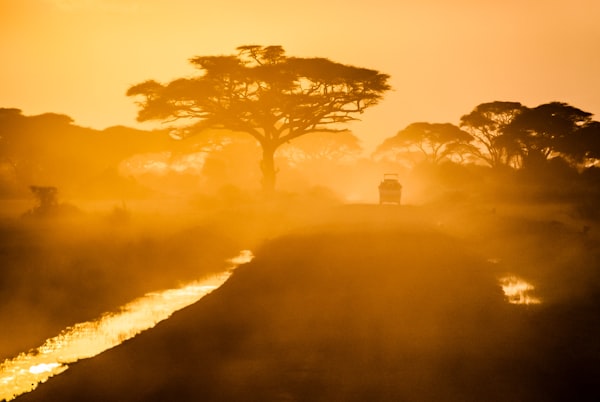
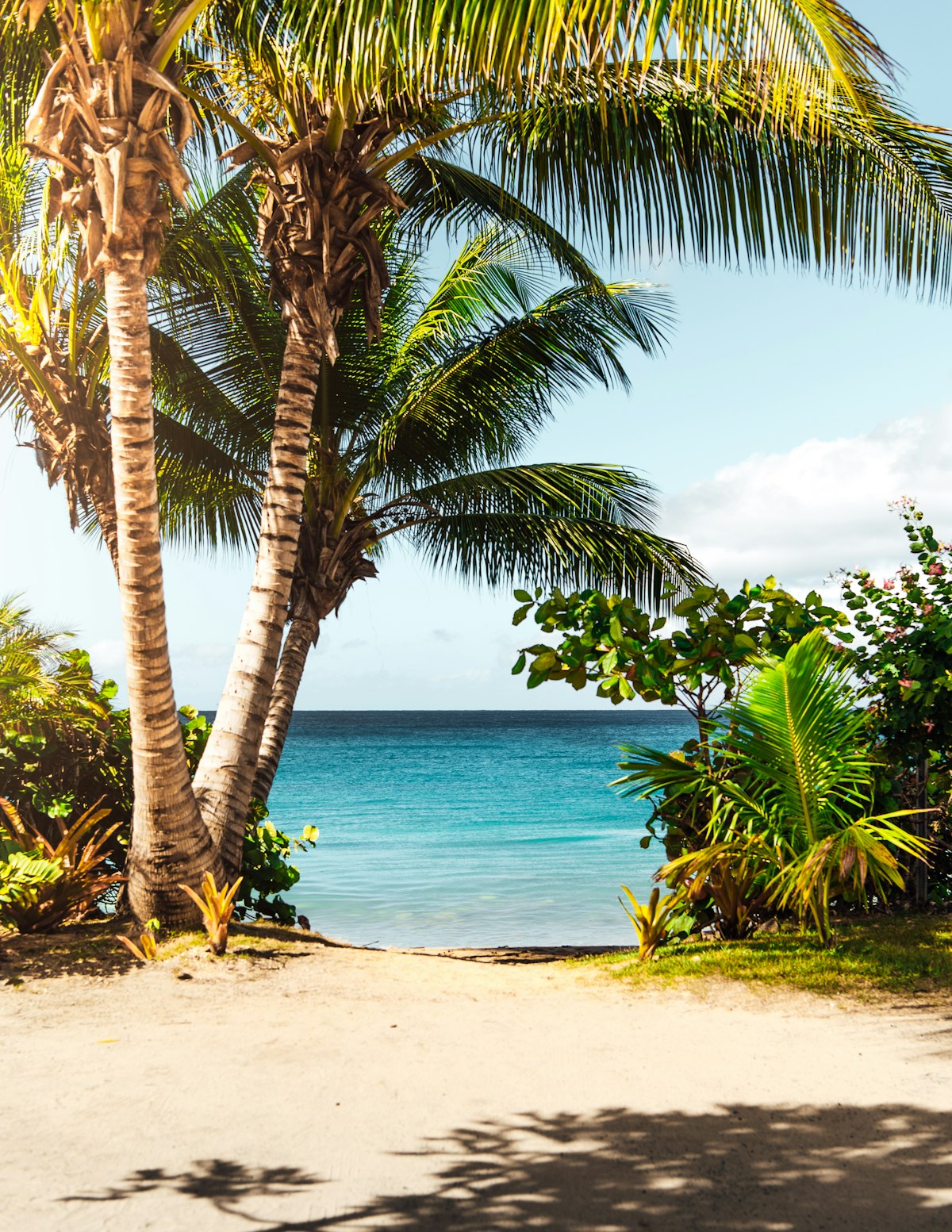
Fez medina · Morocco countryside · The Sahara at Merzouga
🇲🇦Merzouga & the Sahara· Dec 25–28 · 3 nights
The desert tour from Fez to Marrakech is a 4-day organised circuit that covers the route most visitors try to rush in a day. The right pace is this one: slow enough to actually feel the geography change. ~350 euros for the full circuit, all transport and accommodation included.
- Ifrane — Morocco's unexpected alpine town. Called the "Switzerland of Morocco" for its European-style chalets and manicured streets. The famous stone lion sculpture. (brief stop)
- Azrou cedar forest — Barbary macaques live here and will climb on you if you have food. The forest air after the city is extraordinary. (free, brief stop)
- Midelt — lunch stop between the Middle and High Atlas. The landscape on either side is one of the great unremarked drives in Morocco.
- Ziz Valley oasis — palm groves and fortified villages along the river. First visual hint that the desert is close.
- Merzouga arrival — hotel night in the town. Rest before the desert day. (included in tour price)
- El Khamlia village — descendants of sub-Saharan Africans, world-famous for gnaoua music. A live performance in a private compound is one of the genuinely rare cultural experiences in Morocco.
- Rissani market town — ancient trade capital, former seat of the Alaouite dynasty. The souk is authentic and not tourist-oriented.
- Camel trek into Erg Chebbi — 1-hour ride into the dunes to reach the bivouac. (included)
- Luxury bivouac overnight — a proper camp in the Sahara with comfortable tents, dinner, and a bonfire. This is the night you wake up at 3am just to look at the stars. Do it. The Sahara sky with zero light pollution is one of the most overwhelming things a human being can witness.
- Sandboarding and quad available on request (extra cost at camp)
- Sahara sunrise on the dunes — wake at 5:30am. Climb the nearest dune. Watch the sun come over the horizon and turn the sand every colour gold has ever been. (free, priceless)
- Gorges du Todra — towering limestone canyon walls 300m high, river running through the base. Stop and walk. ~2hrs from Merzouga.
- Dadès Valley road — one of the great drives in Africa. Sinuous road carved through red rock canyon walls, Berber villages, and terraced farms. Stop constantly.
- Ouarzazate hotel night — "the Hollywood of Africa." Rest stop. (included in tour)
- Atlas Studios, Ouarzazate — where Gladiator, Game of Thrones, Lawrence of Arabia, and dozens of other productions were filmed. Tours available. (~100 MAD)
- Aït Ben Haddou (UNESCO) — the most extraordinary ksar (fortified village) in Morocco. Walk up through 1,000 years of earthen architecture to the top for panoramic Atlas views. (~50 MAD)
- Tizi n'Tichka mountain pass — 2,260 metres through the High Atlas. Snow-capped peaks in December. Multiple photo stops. One of the great mountain drives in the world.
- Marrakech arrival — drop-off at Djemaa el-Fna. The tour ends here. (1 night in Marrakech on own)
🇲🇦Dakhla· Dec 30 – Jan 3 · 4 nights
Dakhla is a peninsula in the Western Sahara jutting into a perfect turquoise lagoon — one of the world's top kitesurfing destinations, sitting at the edge of the world where the Sahara meets the Atlantic. The drive there from Agadir is one of the great African road experiences: the desert simply opens up and the road disappears into infinite sky.
Honest travel note — Dakhla
The weather did not cooperate. Kitesurfing was not possible during this stay. Dakhla without wind is still Dakhla — the lagoon is extraordinary, the sunsets are violent oranges and purples, and the pace of life is completely removed from the rest of Morocco. But if you're going specifically to kitesurf: have a backup plan for bad weather days, and check conditions before you book flights. The wind is unpredictable in late December.
Dakhla quick notes
- Kitesurfing: When conditions are right, this is world-class. If conditions cooperate, contact @kite_with_oussama on Instagram — a reliable local contact for lessons and sessions.
- Getting there: Fly from Casablanca (~2hrs, ~800-1,200 MAD one way) or the epic drive down the Atlantic coast. The drive is extraordinary but long.
- Lagoon: Even without wind sports, hire a boat to cross to the sandbanks. The colours of the water are something else.
- Accommodation: Kite camps and small guesthouses around the lagoon. Budget ~300-600 MAD/night. Book ahead — the town is small and fills up.
- Weather: December–January can be inconsistent for kite conditions. March–April and June–August are more reliable.
🇲🇦Tangier· Jan 3–6 · 3 nights
Tangier is Morocco's other edge — where Africa looks across 14 kilometres of water at Europe, where the Atlantic meets the Mediterranean, and where the city has an energy completely unlike anywhere else in the country. It's been a crossroads for millennia: Phoenicians, Romans, Arabs, Portuguese, Spanish, French, and a century of international intrigue. That history is visible in its architecture, its café culture, and its particular brand of urban confidence.
The medina here is more navigable than Fez, the old Mountain neighbourhood above the port has extraordinary sea views, and the Café Panorama on the hill above the medina makes crepes that are, quietly, one of the great street food moments of this entire trip.
Tangier quick notes
- Café Panorama Tanger: On the hill above the medina, views over the strait. The crepes are the reason to go but the view is why you stay. (~30-50 MAD)
- Al Boraq train Tangier → Casablanca: ~1hr 40min, ~200 MAD. Fastest and most comfortable way to move between the two.
- Tangier medina: Much calmer than Fez or Marrakech. The Grand Socco and Petit Socco squares are the centres of gravity. Walkable in a half day.
- Cap Spartel: 15 min from the city centre — the precise point where the Atlantic and Mediterranean officially meet. Dramatic cliff views, lighthouse. (~20 MAD)
- The Mountain neighbourhood: Walk up above the medina. The houses get older and quieter, the views over the port get bigger. Best hour in Tangier.
Istanbul was a 10-hour stopover that was mostly sleep. The domestic flight to Kayseri the next morning was the real arrival — into central Anatolia, with Mount Erciyes (the dormant volcano) looming over the city in full January snow. A different world completely.
🇹🇷Erciyes Mountain· Jan 12 · day trip from Kayseri
Erciyes is a 3,916-metre dormant volcano 25 kilometres from Kayseri with a modern ski resort on its slopes. In January it is deep winter: the kind of snowstorm that reduces visibility to 50 metres and makes the mountain feel like it belongs to no country and no era in particular.
The skiing under a full snowstorm was one of the stranger experiences of this trip. Ski gear rental: ~$25 CAD. Lift tickets: ~$3 CAD each. 14 lifts in a day. The mountain has kebab shops at the summit and at the base of every major run — which is either brilliant or absurd, possibly both. The black burger at the summit restaurant is a legitimate mountain meal.
Erciyes quick notes
- Ski gear rental: ~$25 CAD for full kit. Multiple rental shops at the base. Quality is decent for the price.
- Lift tickets: ~$3 CAD per lift. No day pass system — you buy per lift. 14 lifts is a solid full day. Budget ~$42 CAD for lifts.
- Black burger at the summit: The kebab-and-burger shops at various stations on the mountain are real and surprisingly good. Don't skip lunch at altitude.
- Getting there from Kayseri: Taxi ~150-200 TRY (~7-9 CAD), or dolmuş (shared minibus) from the city. 30 min.
- Weather tip: January storms are real. Go with the understanding that visibility may be minimal and conditions can change fast. That's also part of the experience.
- Summit kebab observation: Having a kebab at 3,000m in a snowstorm is a deeply Turkish experience. Lean into it.

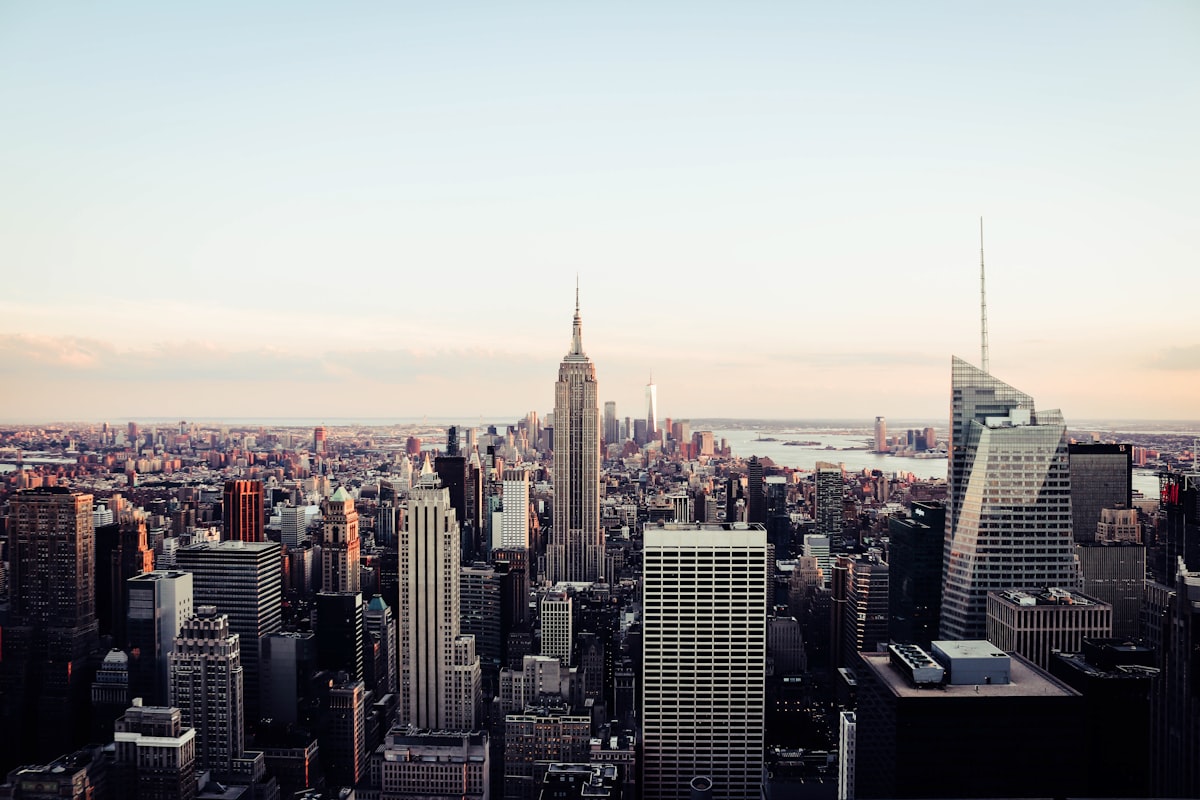
Cappadocia hot air balloons · Göreme fairy chimneys · Winter landscape
🇹🇷Göreme & Cappadocia· Jan 17–18 + Jan 23–24
Cappadocia in January is arguably the best time to visit. The summer crowds are gone, the landscape is covered in snow, and the hot air balloons — dozens of them — rise every clear morning over the fairy chimneys in a spectacle that looks like it was staged for a film but is entirely real and entirely free to watch.
The Göreme stay was in a stone house in the old town — carved from the same volcanic tuff as the landscape itself. Breakfast on the terrace. Looking up to see the sky filling with balloons as the sun came up. This is one of those travel moments where you don't take a photo immediately because you're trying to commit it to a different kind of memory first.
🇹🇷Derinkuyu & Uçhisar· Jan 18 · day trips
Derinkuyu is an underground city carved 85 metres into the earth, built by early Christians to hide from invaders. 11 floors, ventilation shafts, wine cellars, churches, and a population capacity of 20,000 people — all underground, all connected by tunnels you have to crouch through. It feels less like sightseeing and more like descending into a world that existed in complete secret for centuries.
Uçhisar is the elevated town with the "castle rock" — a massive natural tuff formation carved into hundreds of rooms that served as a fortress for millennia. From the top, the entire Cappadocian plateau spreads out in every direction. In winter snow it looks like nowhere else on earth.
Cappadocia quick notes
- Hot air balloons: The free experience is watching them from your terrace or any high point at sunrise (~7-8am depending on season). The paid ride is ~$200-250 CAD — extraordinary but budget accordingly.
- Göreme stone house accommodation: Stay in the old town in a cave/stone hotel. Budget options start ~$40 CAD/night. The setting is the experience.
- Derinkuyu underground city: ~200 TRY (~9 CAD) entry. Winter hours 08:00-17:00, ticket office closes at 16:15. Allow 2 hours. Not suitable for severe claustrophobia.
- Göreme Open Air Museum: ~300 TRY (~14 CAD). Byzantine rock-cut churches with original frescoes. Go early — even in winter it gets busy by 10am.
- Testi kebab: House of Memories restaurant, Uçhisar. Reserve ahead. The clay pot ceremony is as theatrical as the food is good. ~$20-30 CAD per person.
- Uçhisar castle: ~100 TRY (~5 CAD). The view from the top in January snow is one of the great panoramas in Turkey.
- Getting around: Dolmuş buses connect the main villages for ~15-25 TRY each. Or rent a car in Kayseri for total freedom (~$35 CAD/day).
Trip budget · Morocco + Turkey · 36 days · ~$6,000 CAD
This route crosses wildly different climates: mild Atlantic coast, cold desert nights, and genuine Turkish mountain winter. You need one bag that handles all three.